

Veneers

Composite veneers

Composite veneers are hand-layered to refine shape, proportions and shade with a natural, enamel-like finish. If porcelain is the better option for your teeth and goals, we can plan that too — we’ll guide you to the right choice.

FocusCOMPOSITE VENEERS
Also availablePORCELAIN VENEERS (CASE-DEPENDENT)
AimNATURAL PROPORTIONS + SHADE
Veneers overview

Why patients choose veneers.

The goal is a natural-looking smile that suits your face and bite. Composite veneers are often a great first choice for many patients, and if porcelain is more appropriate for your case, we’ll plan that option with you.

Composite
Hand-layered, bespoke Built directly on the tooth to refine edges, shape, proportions and small gaps with careful layering and polish.
Porcelain
Lab-crafted precision A strong option for certain cases and goals, we’ll talk through suitability, preparation and the look you want to achieve.
Planning
Shape-led smile design We focus on symmetry, smile line, tooth width and length, so the result looks balanced.
Finish
Natural texture + shine Surface texture and polish are what make veneers look like enamel under real light, not flat or opaque.
Types of veneers

Composite veneers or porcelain veneers?

Dr Stephen focuses on composite veneers for natural, bespoke refinements, and also provides porcelain veneers when a lab-made ceramic option is the better fit for your goals.
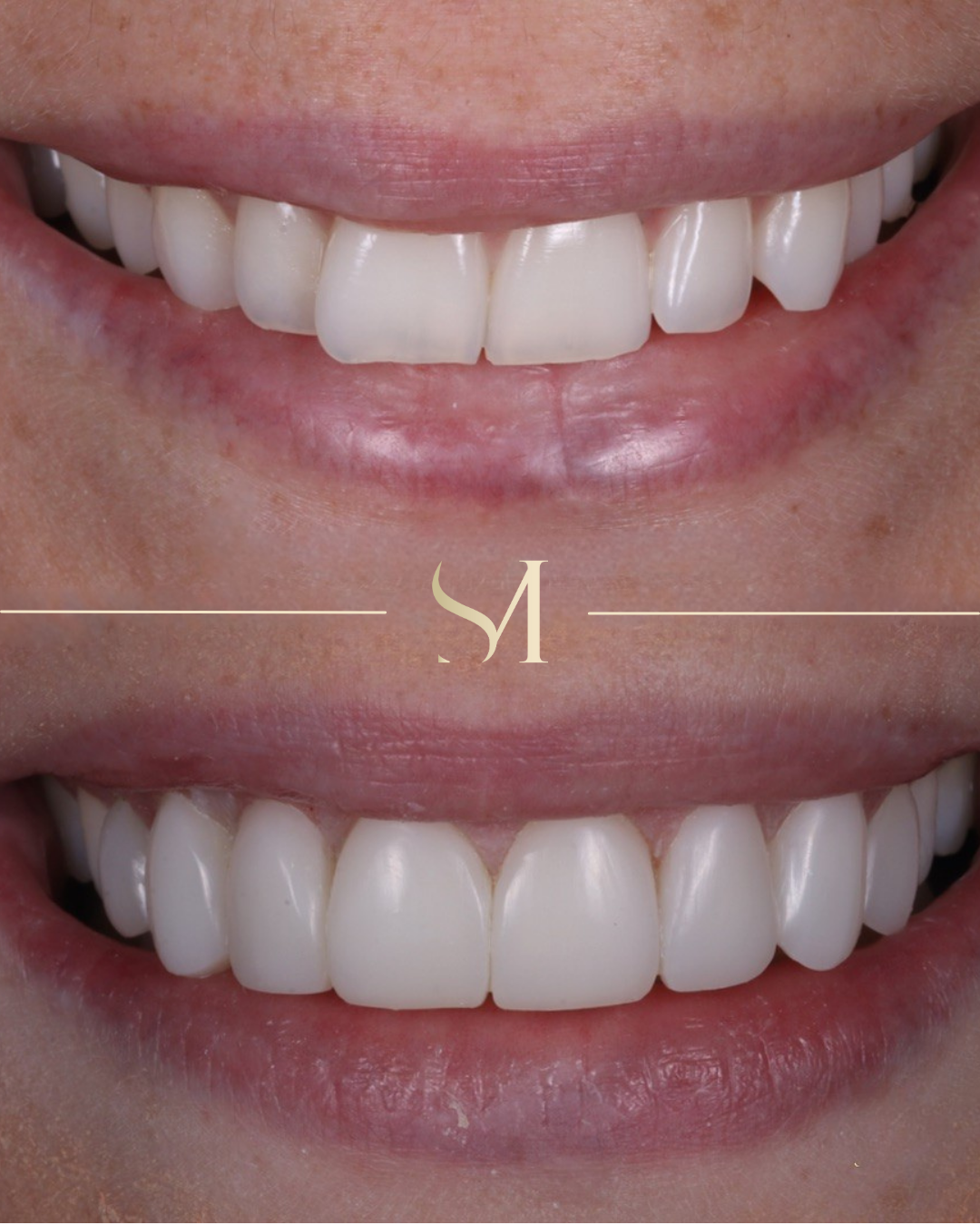
Composite veneers result

Composite veneers

Hand-layered

Built directly on the teeth in layers and finished by hand. Ideal for subtle, natural refinements to shape, edges and proportions, keeping the character of your smile.

Best for

Chips, edge wear, small gaps, shape refinement and gentle smile harmonising (case dependent).

Approach

Layered chairside for bespoke shape, shade and enamel-like texture.

Upkeep

Often repairable or re-polishable if minor wear occurs (case dependent).
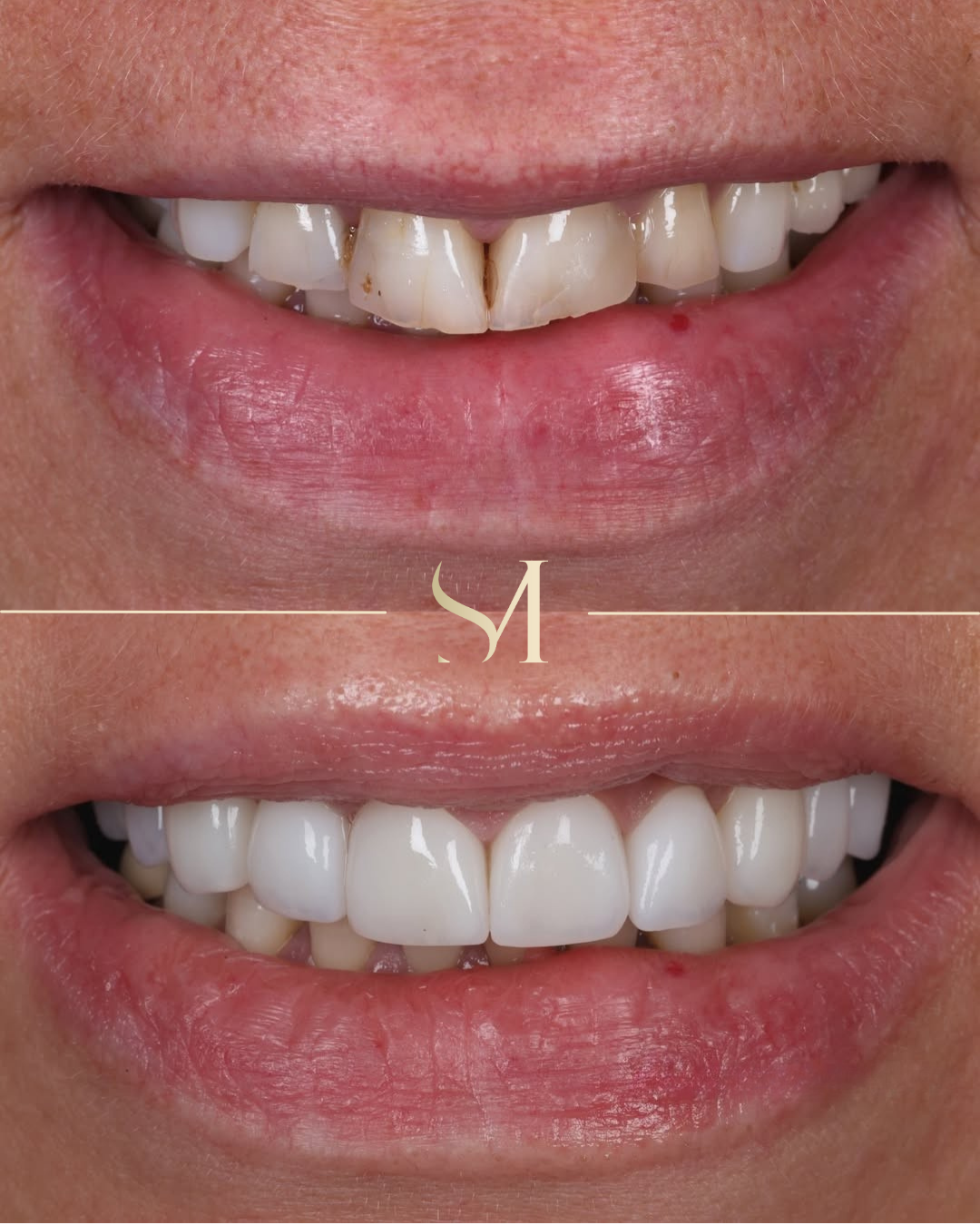
Porcelain veneers result

Porcelain veneers

Lab-crafted

A ceramic veneer made to a planned design by a lab. When porcelain is the right option, the goal is the same: natural proportions, controlled shade, and a finish that looks like you.

Best for

Cases where a lab-made ceramic restoration is the preferred solution (case dependent).

Process

Consultation → planning → fitting appointments once your veneers are made.

Planning

Suitability, preparation needs and the final look are confirmed before anything is committed.

Dr Stephen Mullan

Why choose Dr Stephen Mullan for veneers?

Composite veneers can be beautifully subtle when the shaping and finish are right, and when porcelain is the better choice, we’ll plan that with the same detail-first approach.

Veneer planning, not “one-size-fits-all”

We design around your smile line, tooth proportions and facial features, so the outcome looks balanced, not generic or overdone.

Composite built by hand, in layers

Composite veneers are shaped and layered carefully for smooth transitions, believable edges, and a finish that holds up in real life.

Natural shade, texture and light reflection

We avoid the “flat bright” look, matching shade and translucency so veneers reflect light like enamel and look right in photos.

Choosing composite vs porcelain, honestly

Composite is often ideal for subtle refinements and repairability. Porcelain can suit bigger changes or higher durability needs, we’ll guide you to the right option.

Treatment steps

Your veneers journey, in three steps.

We plan the outcome first, then refine shape carefully, then finish with a detailed polish so it looks natural up close.

Consultation & smile design

Step 01

We assess your teeth, bite and goals, then agree the look together (shape, length, shade). You’ll know exactly what we’re aiming for before anything begins.

Application

Step 02

Composite is layered and shaped with control over edges and transitions. If porcelain is the better option, we plan and guide the next steps so the finish still looks natural.

Polish & finish

Step 03

The surface is refined and polished to mimic enamel’s light reflection — subtle texture, clean edges, and a result that looks right in real life and in close-up photos.

FAQs

Veneers: what patients ask most.

Straight answers on composite vs porcelain, preparation, comfort, timelines, and how to look after your result.

What are veneers?
Veneers are thin coverings that refine the visible surface of a tooth — used to improve shape, proportions, edge detail, and overall harmony. They can be made in composite (hand-layered) or porcelain (lab-made), depending on what you need.
Composite vs porcelain veneers?
Composite veneers are built directly on the teeth in layers and shaped by hand — great for controlled, natural refinement and future repair/refresh (case dependent). Porcelain veneers are made by a lab and can be ideal when you need a specific ceramic finish or a more extensive colour/shape change. We’ll recommend what suits your teeth and goals.
Do veneers ruin your teeth?
Done properly, veneers are planned around your enamel, bite and long-term maintenance. Composite is often minimally invasive. Porcelain may involve some preparation (case dependent). The key is choosing the right approach for your bite, wear patterns and goals.
How long do veneers last?
Longevity depends on your bite, habits (like clenching/grinding), and maintenance. Composite can often be repaired or re-polished if minor wear occurs. Porcelain is strong, but still needs good bite planning and aftercare. We’ll talk through what’s realistic for your case.
Will they look natural up close?
Natural results come from proportions, line angles, edge detail, and surface texture — not just “white teeth”. Shade, translucency and polish are tuned so the finish reflects light like enamel in real life and photos.
Should I whiten first?
Often yes. Whitening sets your baseline shade first, then veneers are matched to blend naturally. If you’re considering Invisalign too, we’ll help you sequence everything so the final shade and alignment work together.
Do veneers stain?
Porcelain is generally very stain-resistant. Composite can pick up staining over time (coffee/tea/red wine/smoking) — like natural teeth. Hygiene visits and occasional polishing help keep everything bright and glossy.
Does it hurt?
Most patients find it very manageable. Composite work is typically comfortable; with porcelain, any preparation is planned carefully and we’ll explain what to expect. You’ll have clear aftercare guidance, and we can talk through sensitivity risk based on your teeth.
What if I grind my teeth?
We plan around it. Bite assessment matters, and a night guard may be recommended to protect your veneers. Grinding doesn’t automatically rule veneers out — it changes how we design and maintain them.
How do I look after them?
Brush and floss as normal, keep up with hygiene visits, avoid using your front teeth as tools, and follow any bite/guard advice. If you ever chip an edge, we’ll advise the best repair route (case dependent).
Next step

Two ways to get started.

Book a consultation for a clinical assessment, or start with a free smile assessment online — quick, simple, and no pressure.

Clear next step
Calm process
Natural results

Not sure what you need yet? Start with the free assessment — it’s the easiest first step.

Scroll to Top