


Teeth straightening

Invisalign

Clear aligners, carefully planned, designed to straighten teeth discreetly with a natural finish and a calm, guided process.

AlignersClear + removable
PlanningDigital smile plan
GoalBalanced, natural smile
Invisalign benefits

A straighter smile — without the obvious braces.

Invisalign uses clear, removable aligners to gently guide tooth movement. Planning is the key — so the result looks balanced, natural, and stable.

Discreet
Clear aligners Low-visibility, removable trays — designed to fit into everyday life.
Planned
Digital smile plan We map movements before you start, so each stage has a purpose.
Comfort
Gentle progress Step-by-step changes, with check-ins to keep everything on track.
Finish
Refinement-ready Align first, then fine-tune details (if needed) for a polished result.
Invisalign

What can Invisalign help with?

From crowding and spacing to bite issues — aligners can correct a wide range of common problems (case dependent). Swipe through to see examples.
Swipe / scroll to explore
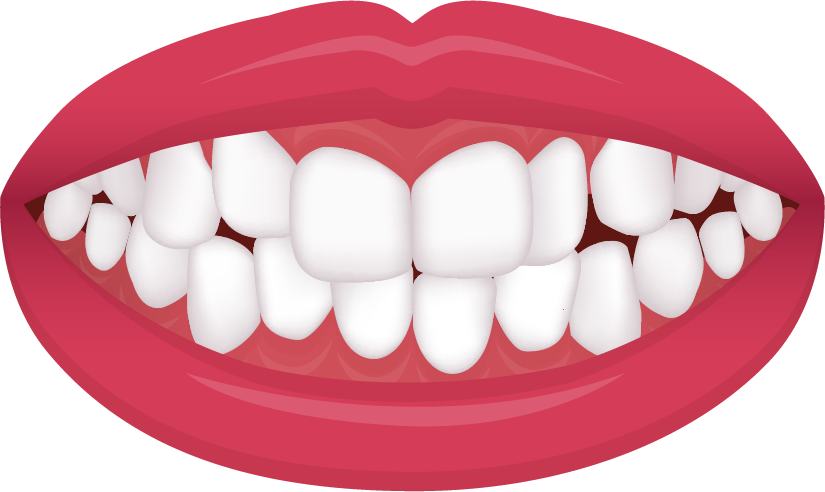
Crowding illustration

Crowding

Alignment

Teeth overlap or twist when space is limited. Aligners can create a smoother arch and cleaner symmetry.
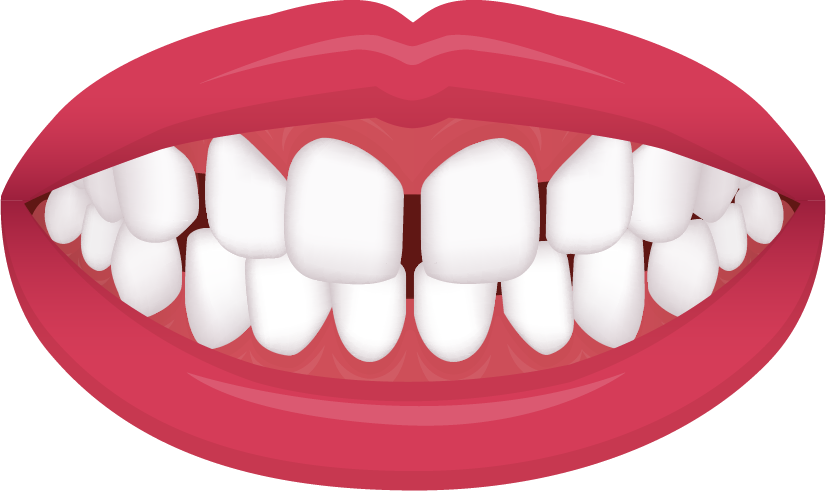
Excessive spacing illustration

Spacing

Gaps

Gaps between teeth can affect aesthetics and food trapping. Invisalign can bring teeth together more evenly.
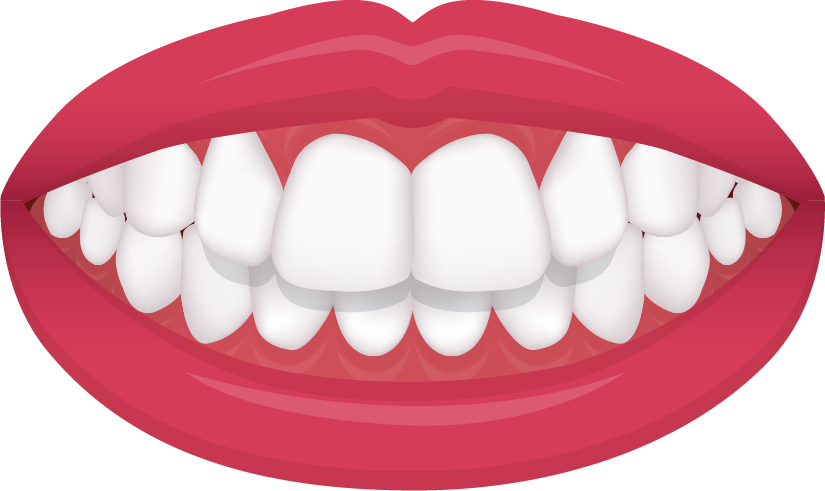
Overbite illustration

Overbite

Bite

Upper teeth sit too far forward or cover too much of the lowers. Planning can improve function and balance.
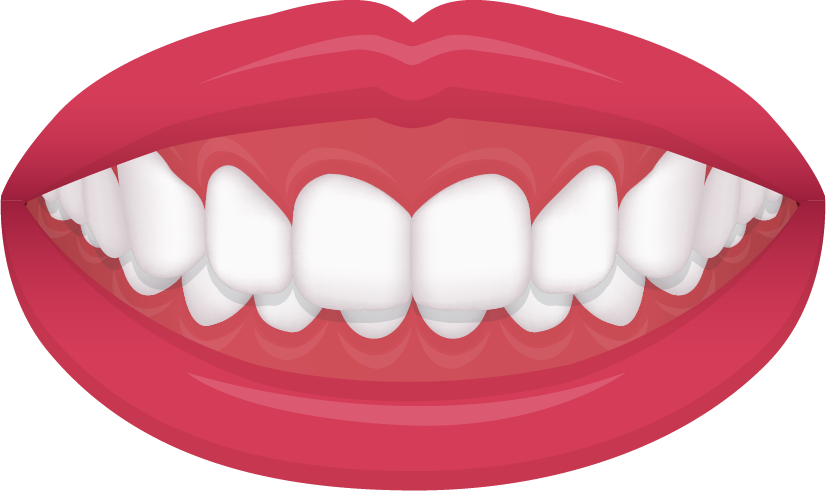
Deep bite illustration

Deep bite

Wear

A deeper vertical overlap can increase wear. Aligners can help open the bite and reduce pressure (case dependent).
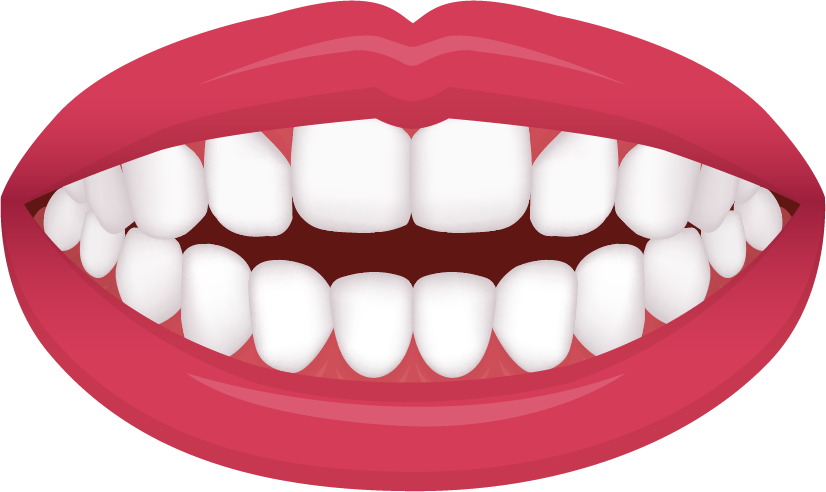
Open bite illustration

Open bite

Closure

Front teeth don’t meet when you bite down. Treatment focuses on improving contact and stability.
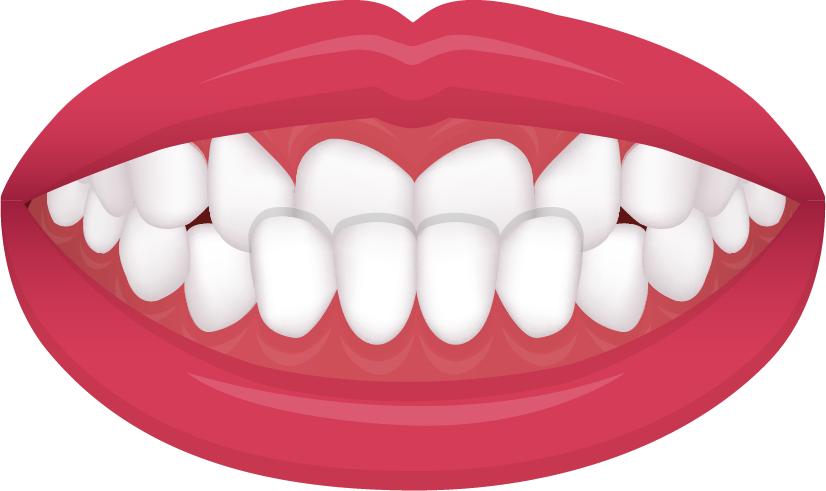
Underbite illustration

Underbite

Jaw relation

Lower teeth sit ahead of the uppers. Some cases can be improved with aligners; suitability varies.
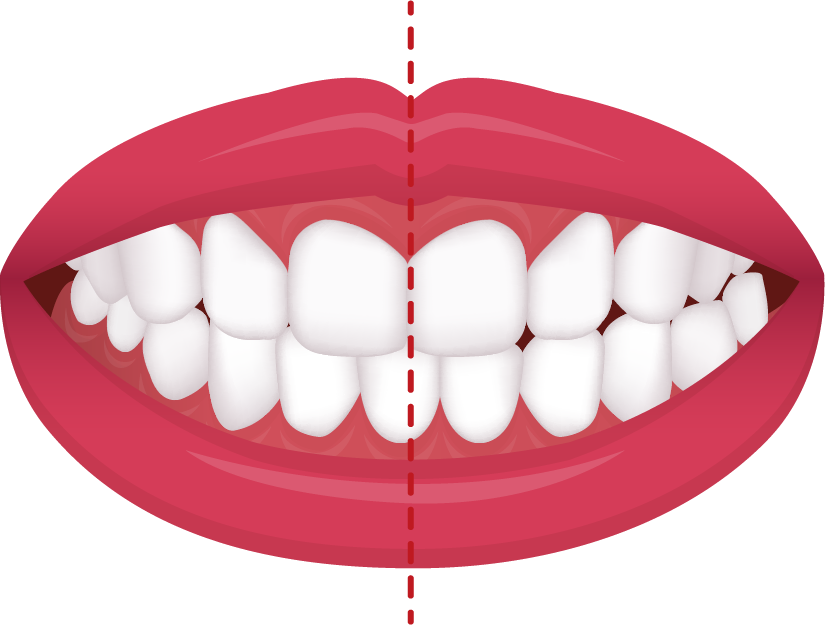
Crossbite illustration

Crossbite

Balance

Some upper teeth sit inside the lowers. Correction can improve bite balance and reduce uneven loading.

Dr Stephen Mullan

Why choose Dr Stephen Mullan?

Invisalign works best when planning is meticulous and refinement is deliberate, so your teeth move predictably and the final result looks natural.

Clinically led planning

We map the end result first, then build a staged plan to get there, focusing on bite, tooth position and long-term stability, not just straight teeth.

Detail in the refinement

Aligners do the heavy lifting, but the finish comes from the details. We review progress closely and fine-tune movements so the result looks balanced and intentional.

Bite-first approach

A comfortable bite matters as much as the front view. We plan around how your teeth meet, so your smile looks right and functions well day to day.

Calm, clear process

You’ll know what’s happening and why, from expected timelines to what “refinements” mean. Clear guidance, straightforward check-ins, and a plan you can trust.

Treatment steps

Your Invisalign journey, in three steps.

A clear plan, steady progress, and a finish that feels natural, with support at every stage.

Assessment with Dr Stephen

Step 01

We look at what you want to change, how your bite fits together, and what’s realistic for your smile. If you’re suitable, we take a digital scan to plan movement accurately.

Digital plan & aligners

Step 02

Your plan is built around the end result, not just straight teeth. Once agreed, your aligners are made and we guide you through wear, attachments (if needed), and simple check-ins to keep progress on track.

Refinements & retention

Step 03

Most smiles need small refinements at the end, that’s normal. We fine-tune the final position, then protect the result with retainers and clear advice so your smile stays stable long-term.

FAQs

Invisalign: the details that matter.

Straight answers to the questions patients ask most, from suitability to comfort, timing, and what happens after treatment.

What can Invisalign help with?
Invisalign can help with a range of alignment and bite issues, including crowding, spacing, overbite, underbite, crossbite, open bite and deep bite. Suitability depends on your bite and goals, we confirm this at assessment.
How long does treatment take?
Timing varies by complexity and how consistently aligners are worn. You’ll get a personalised plan after your scan, including an estimate and what’s needed to reach your target result.
Does Invisalign hurt?
Most people feel pressure for a day or two when switching aligners, a sign teeth are moving. It shouldn’t feel sharp or severe; if it does, we adjust the fit and guide you through it.
How often do I wear the aligners?
Aligners need consistent daily wear and are removed for eating and drinking anything except water. We’ll explain the wear routine clearly so progress stays predictable.
Will I need attachments or IPR?
Sometimes, yes. Attachments help the aligners “grip” and control movement; IPR (gentle polishing between teeth) can create tiny amounts of space when needed. If either is recommended, it’s planned in advance and discussed with you.
What happens after Invisalign?
Retainers protect the result — teeth naturally want to drift over time. We’ll recommend a retention plan (and check it) so your new alignment stays stable long-term.
Next step

Ready to start Invisalign?

Book a consultation for a scan-led plan and clinical assessment, or begin with a free smile assessment online. Quick, simple, and no pressure.

Scan-led plan
Clear timeline
Retention plan

If you’re unsure what you need, start with the free assessment, we’ll point you to the best next step.

Scroll to Top